New Zealand Laptop Import Delays Hit Students and Workers Hard
New Zealand is facing a laptop supply crisis as import delays stretch beyond eight weeks, leaving students scrambling for devices before the new semester and remote workers unable to replace aging equipment.
What exactly is happening with laptop supplies in New Zealand?
Laptop Crisis by the Numbers
The country is experiencing its worst laptop shortage in years, with major retailers reporting stock levels at critically low points. Popular models from Dell, HP, Lenovo, and ASUS are showing delivery times of 8-12 weeks instead of the usual 2-3 weeks. Local computer stores are turning customers away daily, and online retailers are displaying “out of stock” messages across entire product ranges.

The timing couldn’t be worse. University students need laptops for the semester starting in July, while businesses replacing aging fleets are finding themselves stuck with machines that should have been retired months ago. It’s a perfect storm of demand meeting supply chain chaos, and Kiwi consumers are paying the price.
Why is this crisis hitting New Zealand so hard right now?
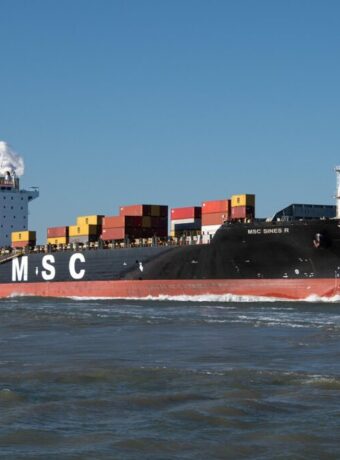
According to Stats NZ, the latest trade data shows computer equipment imports dropped 34% compared to the same period last year. Multiple factors are colliding: renewed global chip shortages, shipping container delays at Auckland and Tauranga ports, and what industry insiders describe as “pre-emptive hoarding” by major corporate buyers.
But here’s the kicker — this isn’t just about supply chains. The government’s recent decision to tighten import regulations for electronic devices, ostensibly for security reasons, has added weeks to processing times. While officials claim it’s about protecting national interests, the practical result is students and small businesses getting shafted while larger importers with dedicated compliance teams sail through relatively unscathed.
Who’s bearing the brunt of these laptop shortages?
Students are getting hammered the hardest. University of Auckland’s Student Association reports a 200% increase in requests for emergency laptop loans, while Massey University has extended library computer hours to cope with demand. Many students are being forced to rely on smartphones for coursework or borrow ancient machines from family members.
Small businesses aren’t faring much better. Auckland-based design firm owner Sarah Chen told us she’s had three staff members working on laptops that crash daily because replacement devices are nowhere to be found. “We’re basically limping along until stock arrives, assuming it ever does,” she said. Remote workers who rely on personal laptops for income are particularly vulnerable — their equipment fails, their livelihood stops.
What does this mean for New Zealand’s digital economy?
This shortage is exposing just how dependent we’ve become on imported technology while doing absolutely nothing to build local resilience. We’re seeing productivity drops across sectors that rely on modern computing power — from graphic design to software development to online education. The ripple effects are only going to get worse as more devices reach end-of-life without viable replacements.
The cruel irony is that while the government talks about building a digital-first economy, their own import processes are actively sabotaging that vision. You can’t have a modern workforce running on decade-old hardware, but that’s exactly where we’re heading if this continues.
Are there any alternatives for desperate laptop buyers?
The used market has gone absolutely bonkers. TradeMe prices for three-year-old laptops are approaching what new models cost six months ago. Some entrepreneurial Kiwis are driving to Australia to buy laptops, though customs duties often wipe out any savings. A few smaller retailers are pivoting to refurbished business machines, but even those are becoming scarce.
Desktop computers remain more readily available, but that’s cold comfort for students who need portability or workers whose roles require mobility. Tablets with keyboards are being pushed as alternatives, but anyone who’s tried to write a thesis on an iPad knows that’s not a real solution.
What’s the government doing about this mess?
Precious little, frankly. MBIE has acknowledged the delays but maintains that security screening is “non-negotiable.” They’ve promised to “streamline processes” — the same meaningless corporate speak we hear whenever government bureaucracy creates problems for real people. Meanwhile, Education Minister has suggested students “plan ahead better,” which is tone-deaf advice when planning ahead still means waiting three months for delivery.
The Commerce Commission is reportedly looking into whether retailers are artificially inflating prices, but that’s missing the point entirely. This isn’t about price gouging — it’s about fundamental supply shortage caused by regulatory bottlenecks and global market failures.
What happens next for New Zealand’s laptop market?
Unless something changes dramatically, we’re looking at shortages persisting well into the second half of 2026. Industry insiders suggest the government might be forced to create emergency exemptions for educational institutions, but don’t hold your breath. More likely, we’ll see continued rationing, sky-high prices, and a generation of students trying to complete degrees on inadequate equipment.
The long-term damage could be significant. If New Zealand can’t reliably supply basic computing tools, international students might look elsewhere, and local businesses may struggle to compete globally. This laptop crisis is really a symptom of broader policy failures around technology sovereignty and supply chain resilience — issues that successive governments have ignored until they became impossible to avoid.