Laptop Import Delays: Why NZ Consumers Are Getting Ripped Off on Tech Pricing
New Zealand laptop buyers are facing delivery delays of up to 16 weeks and price increases of 40% as new biosecurity import restrictions collide with global supply chain disruptions. Major retailers are being accused of exploiting the situation to inflate margins on already overpriced tech.
What’s happening with laptop imports in New Zealand?
Impact on laptop pricing
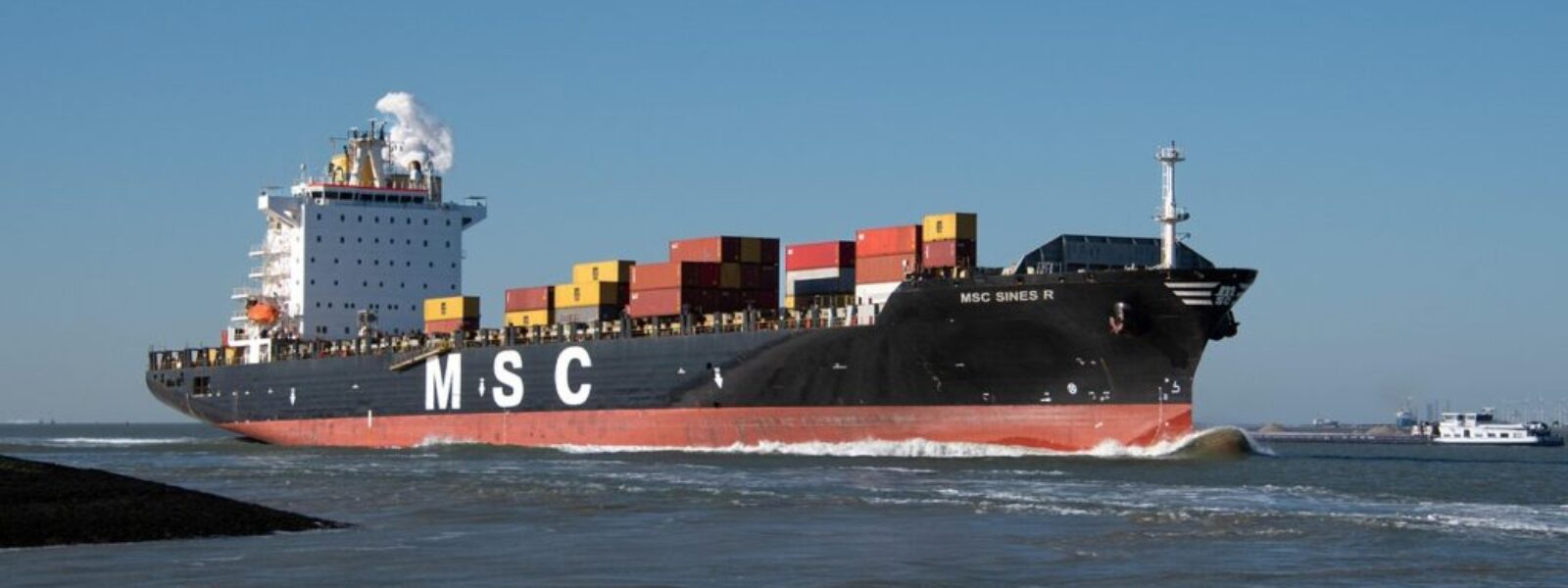
Since March 2026, New Zealand’s biosecurity authorities have implemented stricter inspection protocols for electronic goods arriving from Asia, citing concerns over invasive pest species found in shipping containers. This has created a massive bottleneck at our ports, with laptop shipments sitting in quarantine for weeks longer than usual.

The impact has been brutal for consumers. What used to be 2-3 week delivery times for popular laptop models are now stretching to 3-4 months. Worse still, retailers are using the delays as cover to jack up prices across the board. A mid-range laptop that cost $1,200 six months ago is now retailing for $1,680 – and that’s if you can even find one in stock.
Why are retailers hiking prices so aggressively?
Here’s where it gets murky. While retailers claim the price increases are due to “supply chain pressures” and “increased compliance costs,” the maths doesn’t add up. The biosecurity inspection adds roughly $50-80 per shipment, not the hundreds of dollars being tacked onto individual laptop prices.
What’s really happening is classic opportunistic pricing. With limited stock and desperate customers, retailers know they can charge whatever they want. It’s the same playbook we saw during the early days of COVID-19, except this time there’s no government price monitoring or consumer protection intervention. Major chains like Harvey Norman, JB Hi-Fi, and PB Tech are all guilty of inflating margins while hiding behind “supply chain disruption” rhetoric.
Which laptop brands are affected worst?
Gaming laptops and high-end business models are seeing the biggest delays and price hikes. ASUS ROG series laptops, previously popular with NZ gamers, are now almost impossible to source locally. MSI gaming rigs that were readily available are facing 12+ week delays. Apple MacBook Pros are slightly better off due to their separate supply chain arrangements, but even they’re seeing 6-8 week delays compared to the usual immediate availability.
Budget laptop buyers aren’t escaping either. Entry-level Acer and Lenovo models that students rely on are becoming increasingly scarce. Back-to-school season has been particularly brutal, with parents facing the choice between paying inflated prices for substandard models or waiting months for decent options to arrive. It’s a perfect storm of artificial scarcity and price gouging.
What does this mean for NZ laptop buyers?
The current situation exposes just how vulnerable New Zealand consumers are to supply chain manipulation. We’re already paying some of the highest tech prices in the developed world – according to Stats NZ, electronic goods prices have risen 23% over the past year – and now we’re being hit with additional “crisis pricing” on top of that.
For consumers, this means making tough decisions. Buy now at inflated prices, wait months for better options, or consider refurbished/grey import alternatives that come with their own risks. Many are turning to Australian retailers and shipping services, despite the hassle and potential warranty issues. It’s a damning indictment of how poorly protected NZ consumers are from retailer exploitation.
Are there any alternatives for frustrated buyers?
Smart consumers are exploring several workarounds, though each comes with trade-offs. Australian retailers like Scorptec and Centre Com will ship to NZ, often at better prices even after shipping and GST. The catch? You’re dealing with warranty claims across the Tasman if something goes wrong.
Refurbished business laptops are another option gaining traction. Companies like Renewed Computer Technology and Computer Recycling are seeing massive demand for ex-lease ThinkPads and Dell Latitudes. These machines often offer better build quality than new budget models, but you’re sacrificing the latest specs and warranty coverage. Grey importers are also busy, bringing in laptops through alternative channels, though buyer-beware warnings definitely apply.
What happens next for the laptop market?
Don’t expect relief anytime soon. Industry insiders suggest the import delays could persist through the rest of 2026 as biosecurity authorities work through their backlog and develop more efficient inspection processes. Retailers, meanwhile, are showing no signs of voluntary price restraint – why would they when demand continues to outstrip supply?
The real test will be whether the Commerce Commission decides to investigate potential price manipulation. Given their track record of going after fuel companies and supermarkets, there’s hope they might turn their attention to tech retail gouging. Until then, NZ laptop buyers are stuck in a market where retailers hold all the cards and consumer protection feels like an afterthought. It’s a stark reminder that when push comes to shove, we’re still treated as a captive market ripe for exploitation.