HP Laptop Battery Fires: New Zealand Consumer Warning After Global Safety Recall
HP has issued an urgent global safety recall for laptop batteries that pose serious fire and burn risks, affecting thousands of New Zealand consumers who purchased popular business and consumer models between 2020-2025.
At a glance
- HP recalls lithium-ion batteries in 47 laptop models sold globally, including popular Pavilion, Envy, and ProBook series available in New Zealand
- Batteries can overheat, swell, and potentially catch fire or cause burns to users
- New Zealand consumers entitled to free battery replacement under both HP warranty and Consumer Guarantees Act protection
- Commerce Commission investigating potential penalties for delayed notification to Kiwi consumers
- Over 8,000 affected laptops estimated to be in circulation across New Zealand
Which models are affected
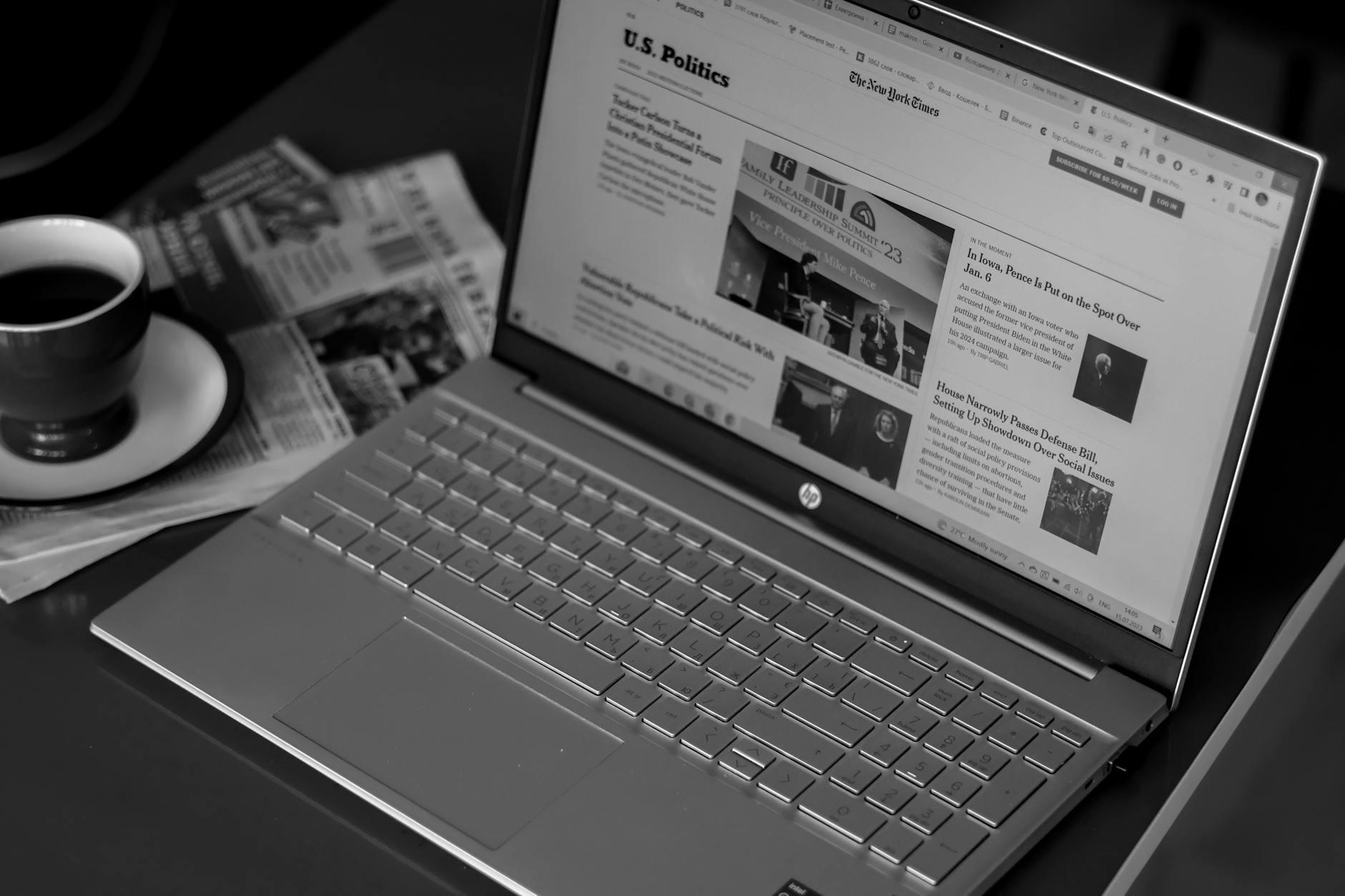
The recall covers a substantial range of HP laptops sold through major New Zealand retailers including Harvey Norman, JB Hi-Fi, Noel Leeming, and PB Technologies. The affected models include:
HP Battery Recall by Numbers
- HP Pavilion 14, 15, and 17 inch models (2020-2024 production)
- HP Envy x360 convertible laptops
- HP ProBook 440, 450, and 455 series business laptops
- HP EliteBook 830, 840, and 850 models
- Specific battery model numbers: HSTNN-UB7T, HSTNN-DB8H, HSTNN-LB8K
According to Reuters, the finding showed that affected batteries can overheat to temperatures exceeding 80°C, causing potential fire hazards and skin burns.
Fire and safety risks
The battery defect presents genuine safety concerns that go well beyond typical tech malfunctions:
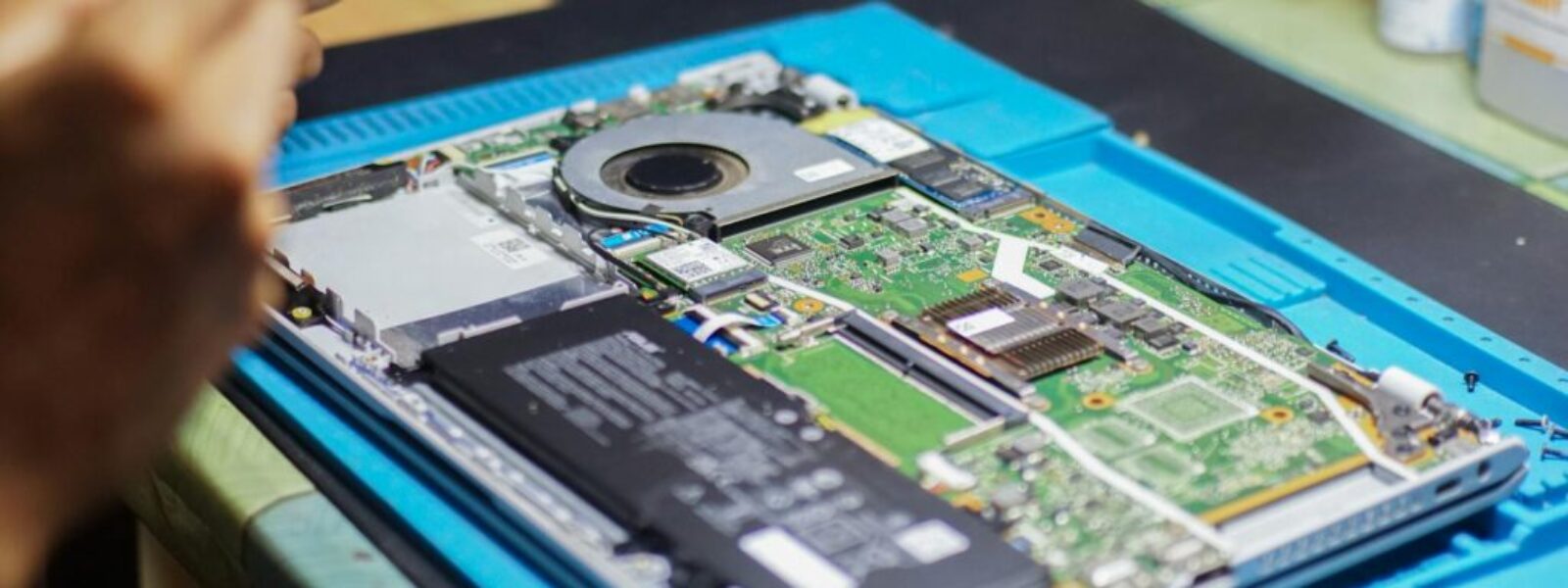
- Battery swelling that can crack laptop casings and expose internal components
- Overheating that can cause second-degree burns if laptops are used on laps
- Potential fire ignition risk, particularly during charging cycles
- Toxic fume emission from overheating lithium-ion cells
- Risk of electrical shorts affecting other laptop components
Multiple incidents reported globally include laptops catching fire during overnight charging and users suffering burns from swollen batteries pushing through keyboard areas.
Consumer rights under New Zealand law
Kiwi consumers have strong protection under the Consumer Guarantees Act 1993, regardless of when they purchased their affected HP laptop:
- Free repair or replacement: HP must provide free battery replacement even for out-of-warranty devices
- Refund rights: For laptops under 12 months old, consumers can demand full refunds if safety concerns make continued use unreasonable
- Consequential damages: HP liable for costs of data recovery, replacement devices during repair period, or property damage from battery fires
- No time limits: Safety-related defects not subject to standard warranty time restrictions under CGA Section 18
How to check your laptop
HP has established a battery verification tool, but the process is frustratingly complex for average users:
- Download HP Support Assistant software or visit HP’s battery recall webpage
- Enter your laptop’s serial number (found under battery compartment or in BIOS settings)
- Cross-reference battery model numbers printed on battery cells
- Check for physical signs: unusual heat, swelling, or battery compartment distortion
- Monitor for rapid battery drain or failure to hold charge
The reality? Many Kiwis won’t bother with HP’s bureaucratic process until their laptop actually catches fire.
Replacement process and delays
HP’s battery replacement program reveals typical corporate foot-dragging that leaves consumers exposed:
- Replacement timeline: 4-6 weeks for battery delivery to New Zealand addresses
- Installation requirements: Professional installation recommended, adding $50-80 service costs
- Interim usage: HP advises removing batteries and using AC power only – impractical for portable use
- Supply constraints: Replacement batteries back-ordered globally, extending wait times to 8+ weeks
- No loaner devices: HP not providing temporary laptops during repair period
Commerce Commission investigation
The Commerce Commission is reviewing HP’s delayed notification to New Zealand consumers, with potential penalties under the Fair Trading Act 1986:
- HP knew of battery defects 18 months before issuing public recall notices
- Initial communications only sent to enterprise customers, excluding individual consumers
- Potential fines up to $600,000 for each breach of disclosure obligations
- Investigation into whether HP’s New Zealand distributors adequately warned local retailers
What this means for laptop buyers
This recall exposes fundamental problems with how global tech companies handle safety issues in smaller markets like New Zealand. HP’s approach – quietly fixing enterprise customers first while leaving consumers to discover fire risks through media coverage – is unfortunately typical.
For current HP laptop owners, the message is clear: check your model immediately and don’t wait for HP to contact you. The company’s track record suggests they’ll prioritise major corporate customers over individual Kiwis every time.
Future laptop buyers should consider this recall as evidence of HP’s corporate priorities. When safety defects emerge, expect delayed notifications, complex claim processes, and minimal accountability for the inconvenience caused.
Impact
New Zealand businesses using affected HP laptop fleets face significant operational disruption, with replacement timelines potentially affecting productivity across multiple quarters. Consumer electronics retailers must now handle return processes for products sold up to five years ago, creating warranty administration challenges. The recall reinforces growing concerns about lithium-ion battery safety in consumer electronics, likely accelerating regulatory scrutiny of battery testing standards. For HP, the cost of global battery replacement combined with potential Commerce Commission penalties could exceed $50 million, demonstrating the financial consequences of delayed safety disclosures in international markets.