New Zealand Laptop Reviews Expose Shocking Truth About Budget Gaming Machines
Recent laptop reviews from New Zealand consumers reveal a disturbing pattern of budget gaming laptops failing catastrophically within six months of purchase. Major electronics retailers are scrambling to manage warranty claims while manufacturers point fingers at each other.
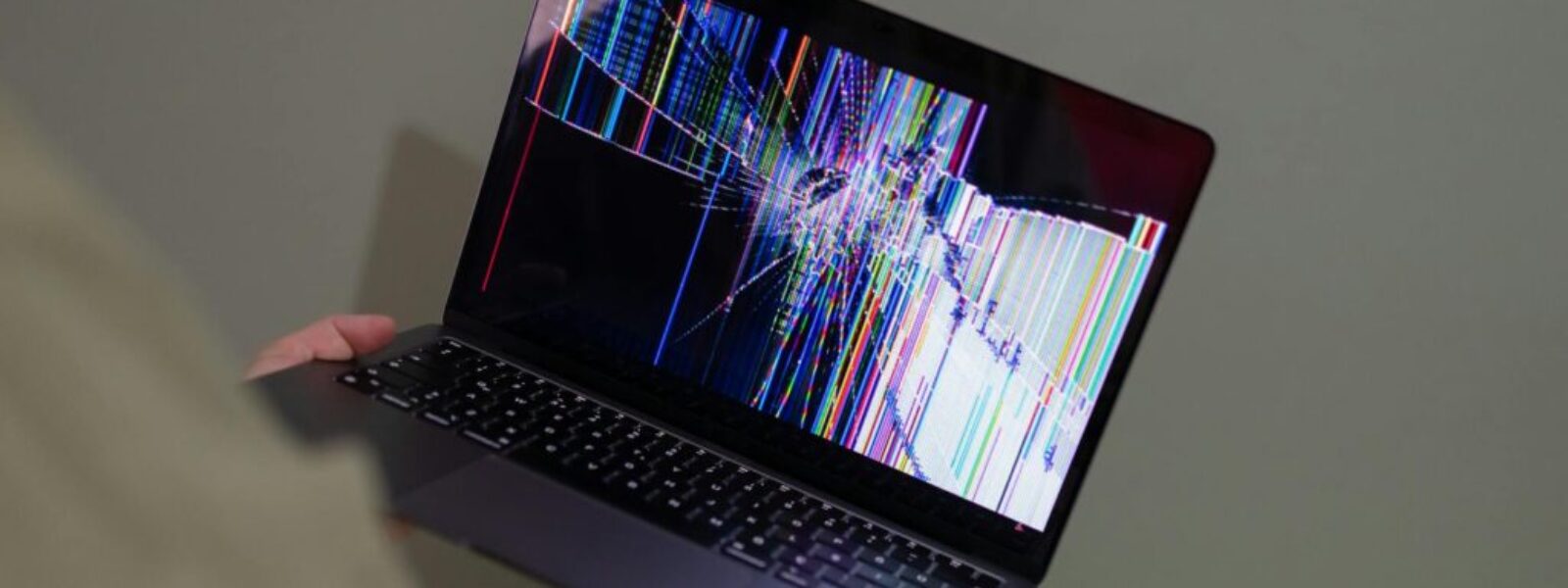
1. The gaming laptop disaster — What started as scattered complaints on Trade Me and Facebook groups has evolved into a full-blown consumer revolt against budget gaming laptops sold across New Zealand. Models from brands like MSI, ASUS, and Acer — specifically those priced between $1,200-$2,000 — are experiencing thermal failures, screen blackouts, and motherboard deaths at alarming rates. The pattern is consistent: impressive specs on paper, aggressive pricing that seems too good to be true, and catastrophic failure within the first year of ownership.
NZ Laptop Failure Statistics
2. Consumer reviews tell the story — Social media is flooded with laptop reviews from frustrated Kiwi buyers. Sarah Chen from Auckland bought an MSI Katana gaming laptop from Harvey Norman in November 2025 for $1,599. “Six months later, it won’t boot. The screen flickers, then nothing. Harvey Norman says it’s a manufacturing defect, but MSI claims it’s user damage.” Similar stories emerge from Wellington, Christchurch, and Hamilton. The common thread? Retailers and manufacturers playing hot potato with warranty responsibilities while consumers are left with expensive paperweights.

3. The technical reality behind the reviews — Independent laptop reviews conducted by local tech forums reveal the underlying problem: thermal management failures. These budget gaming machines pack high-performance components into chassis designed for cheaper hardware. The cooling systems can’t cope with sustained gaming loads, leading to component degradation and eventual failure. According to Reuters, warranty disputes in New Zealand’s consumer electronics sector have increased by 34% year-on-year, with laptop failures representing the largest category of complaints.
4. Retailer response exposes systemic issues — Harvey Norman, Noel Leeming, and JB Hi-Fi have all issued similar responses to laptop review complaints: “We’re investigating with our suppliers.” Translation: nobody wants to take responsibility for the repair costs. Meanwhile, consumers are discovering their Consumer Guarantees Act rights are being undermined by complex warranty structures that pit retailer against manufacturer. The result? Weeks of phone calls, emails, and frustrated consumers being told their laptop reviews “don’t constitute proof of widespread defects.”
5. The broader implications for Kiwi buyers — This laptop review crisis exposes a fundamental problem with New Zealand’s electronics retail market. Aggressive pricing and marketing create unrealistic expectations about what budget hardware can deliver. Consumers see “RTX graphics” and “gaming performance” marketed alongside budget prices, but the laptop reviews reveal the harsh reality: corners have been cut on build quality, cooling, and component selection. The industry’s response has been to blame consumers for “unrealistic expectations” rather than address the quality control issues.
6. What laptop reviews really tell us — The most damning aspect of recent laptop reviews isn’t the hardware failures themselves — it’s the systematic failure of consumer protection. Retailers hide behind manufacturer warranties, manufacturers blame user error, and consumers are left fighting battles they shouldn’t have to fight. Commerce Commission guidelines are clear about retailer obligations under the Consumer Guarantees Act, but enforcement appears toothless when faced with corporate finger-pointing.
7. The path forward for consumers — Smart Kiwi buyers need to treat laptop reviews as early warning systems rather than purchase guides. The pattern is clear: if the price seems too good for the advertised performance, there’s usually a reason. More importantly, consumers need to document everything — purchase receipts, performance issues, communication with retailers — because the burden of proof increasingly falls on buyers rather than sellers. The laptop review crisis of 2026 should serve as a wake-up call: caveat emptor is alive and well in New Zealand’s electronics market, regardless of what consumer protection laws might promise.