7 Ways Rising Food Prices Are Still Screwing Over Kiwi Families in 2026
Despite government assurances that inflation is under control, New Zealand families are still facing crushing food costs that show no signs of meaningful relief. While headline inflation figures might look prettier on paper, the reality at the checkout counter tells a very different story.
Food prices have become the ultimate Kiwi family budget killer, and frankly, the official statistics don’t capture the full brutality of what’s happening at ground level. Sure, politicians can wave around overall inflation numbers, but try telling that to parents spending $400+ a week on groceries for a family of four.
Food Price Reality Check
1. Duopoly Power Is Still Unchecked
Foodstuffs and Woolworths continue their stranglehold on the New Zealand grocery market, and despite all the Commerce Commission noise, meaningful competition remains a pipe dream. The two giants control roughly 85% of the market, giving them unprecedented pricing power that they’re clearly not shy about using.

What’s particularly galling is how these companies continue posting massive profits while Kiwi families skip meals to make ends meet. The promised market shake-up from new entrants like Costco has been glacially slow, and most families are still trapped in this cosy duopoly arrangement where prices seem to only move in one direction.
2. Fresh Produce Pricing Has Gone Completely Mental
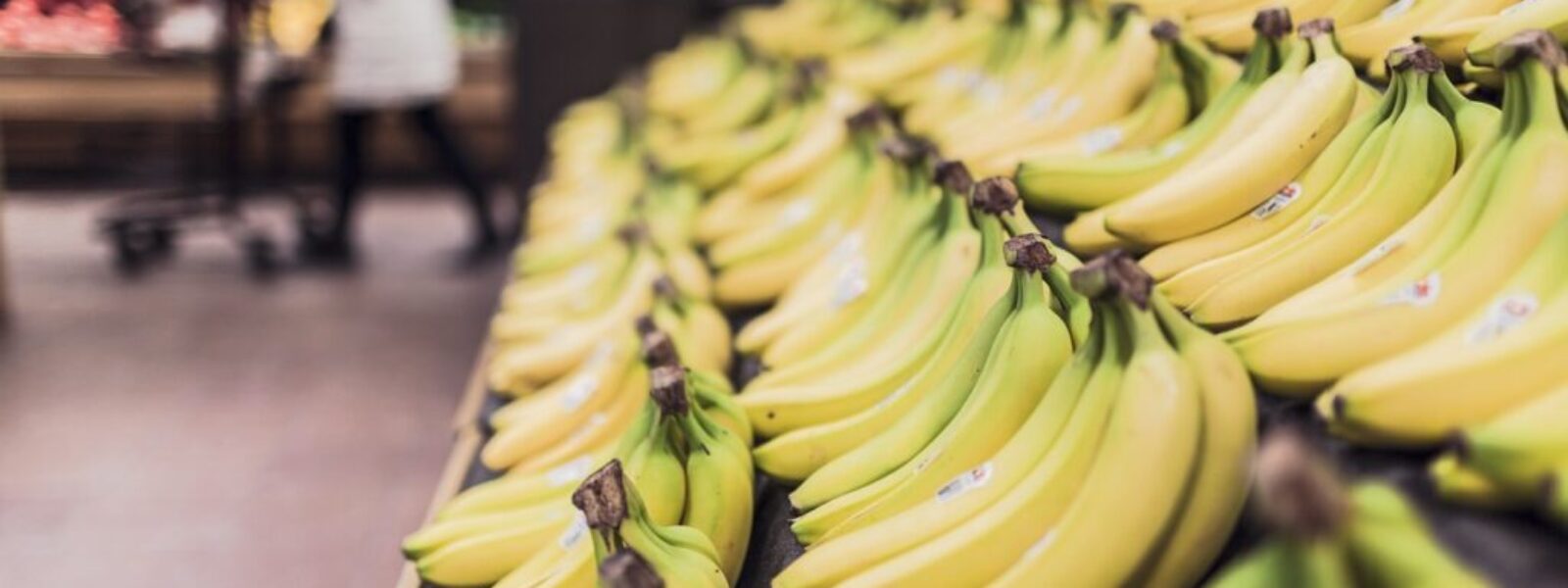
A single capsicum for $6? Avocados at $4 each? Welcome to New Zealand’s fresh produce reality, where eating your five-plus-a-day has become a luxury item. Weather events and supply chain disruptions are the usual suspects blamed for these price spikes, but the recovery periods seem suspiciously slow.
The real kicker is that many of these products are grown right here in New Zealand, yet local families are paying premium export prices. It’s a classic case of producers maximizing their returns by selling to the highest bidder, leaving domestic consumers to cop whatever’s left at inflated prices.
3. Meat Prices Are Pricing Out Middle-Class Families
Remember when a decent cut of beef didn’t require a second mortgage? Those days are long gone. Premium cuts now command restaurant-level prices at the supermarket, forcing families to either downgrade to cheaper processed options or significantly reduce their protein intake.
According to New Zealand Productivity Commission, the finding showed that food affordability has become a significant factor in overall cost of living pressures affecting household budgets. Even traditionally affordable proteins like chicken and mince have seen eye-watering price increases that far outpace wage growth, creating a protein poverty trap for many families.
4. Processed Food Companies Are Taking Advantage
While fresh food prices grab headlines, processed food manufacturers have been quietly jacking up prices across their entire ranges. A loaf of bread that cost $2.50 two years ago now sits at $4+, with manufacturers citing everything from wheat prices to packaging costs.
The cynic in me suggests these companies are simply opportunistic – using inflation fears as cover to boost margins while they can. When a packet of biscuits costs more than some people’s hourly wage, you know something’s fundamentally broken in the system.
5. Regional Price Disparities Are Getting Worse
If you thought food was expensive in Auckland or Wellington, try living in provincial New Zealand where transport costs and limited competition create even more brutal pricing. Small towns are getting absolutely hammered, with single supermarkets effectively operating as monopolies.
The irony is thick – many of these regions actually produce the food, yet locals pay through the nose for products grown in their own backyard. It’s economic colonialism at its finest, where rural communities subsidize urban consumption patterns while struggling to afford basic nutrition themselves.
6. Government Response Has Been Pathetically Weak
Despite endless inquiries, reports, and tough-talking press releases, the government’s actual intervention in food pricing has been virtually non-existent. The Commerce Commission’s grocery market study delivered some harsh truths, but meaningful structural changes remain elusive.
Politicians love talking about competition and market forces when it suits them, but when those same market forces are crushing ordinary families, suddenly intervention becomes too hard. The reality is that without genuine political courage to tackle the duopoly head-on, these pricing problems will only get worse.
7. Hidden Inflation Through Shrinkflation Is Everywhere
Perhaps the most insidious trend is shrinkflation – where products get smaller while prices stay the same or even increase. That block of chocolate that used to be 250g is now 200g, but somehow costs more than the old larger version.
Food companies are banking on consumers not noticing these changes, effectively implementing stealth price increases that don’t show up in traditional inflation measurements. It’s a sophisticated form of corporate gaslighting that’s making families feel crazy about their grocery spending.
The food inflation crisis isn’t going anywhere fast, and families shouldn’t hold their breath for meaningful relief. Until there’s genuine political will to tackle market concentration and corporate price gouging, Kiwi families will continue bearing the brunt of a broken food system that prioritizes profit over basic nutrition accessibility.