Inflation Hits NZ Renters Hard: Housing Costs Surge Beyond RBNZ Targets
New Zealand’s latest inflation figures show housing costs continuing to drive price increases well above the Reserve Bank’s target range. Renters and mortgage holders are bearing the brunt of sustained cost pressures that show no signs of easing.
At a glance
- Annual inflation sits at 4.2%, well above RBNZ’s 1-3% target range despite 18 months of rate hikes
- Housing costs including rent and mortgage servicing jumped 6.8% year-on-year in the March quarter
- Food prices rose 7.3% annually, with basic groceries hitting low-income households hardest
- Transport costs surged 8.1% driven by fuel price volatility and vehicle import costs
- Core inflation excluding volatile items remains stubbornly high at 5.1%
Housing Costs Drive Persistent Pressure
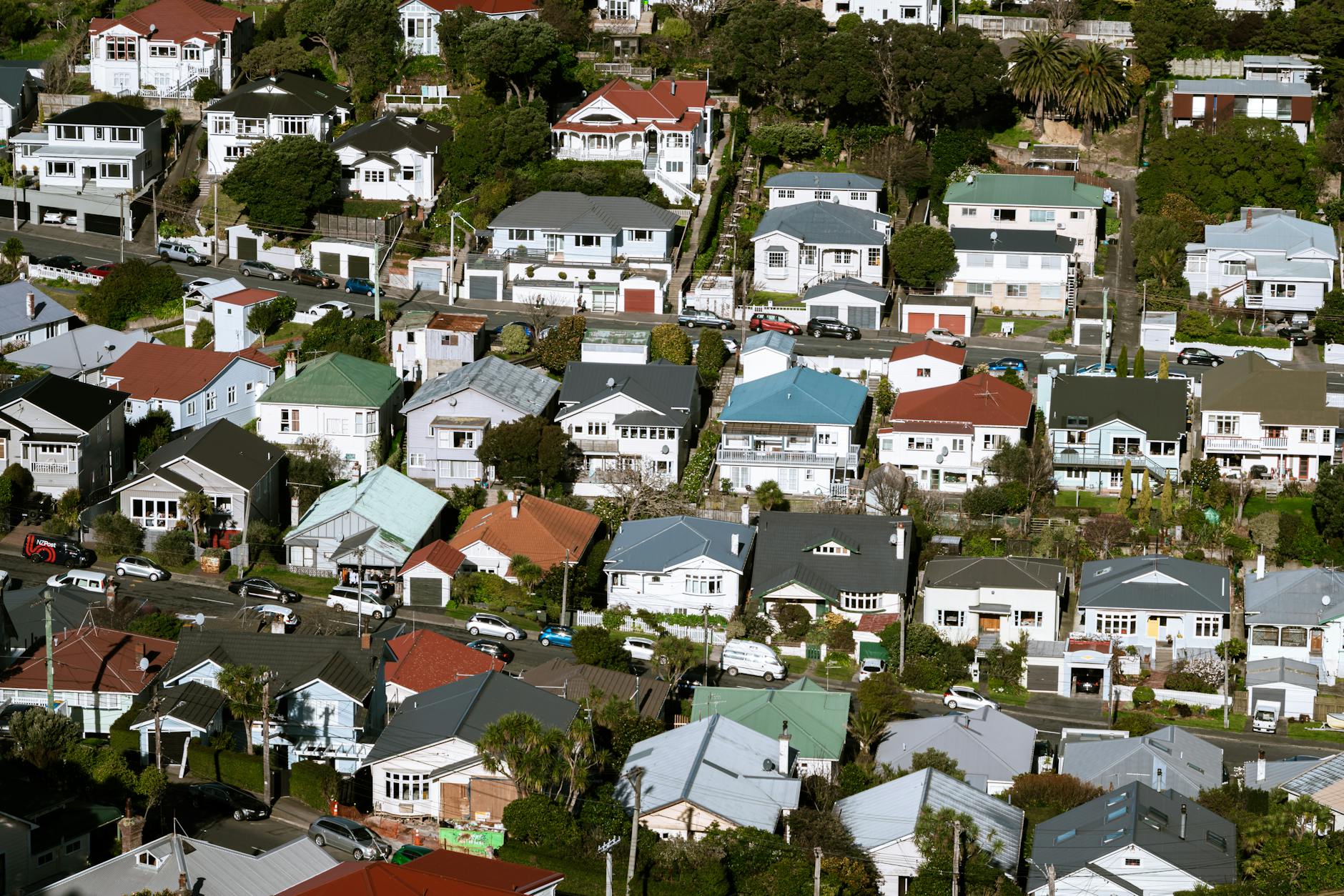
The biggest culprit in New Zealand’s inflation struggle remains housing, where costs have spiralled beyond what most Kiwis can comfortably absorb. Key drivers include:
Key inflation pressures
- Rental increases: Average rents up 8.2% nationally, with Auckland seeing 9.4% growth
- Mortgage servicing costs: Variable rate increases flowing through to existing borrowers
- Insurance premiums: Property insurance costs up 12.1% as insurers factor climate risks
- Rates and utilities: Council rates rising 6.5% on average across major centres
- Maintenance costs: Tradesperson rates and building materials maintaining elevated pricing
What’s particularly galling for renters is that landlords are passing through every possible cost increase while simultaneously benefiting from property value appreciation. It’s a double-dip that leaves tenants with nowhere to turn.
Food and Essential Costs Compound the Pain
Beyond housing, everyday essentials continue hammering household budgets:
- Grocery inflation: Fresh produce up 9.8%, meat and dairy up 6.4%
- Restaurant and takeaway prices: Commercial food costs rising 8.7% annually
- Energy costs: Electricity prices up 5.9% despite government intervention promises
- Fuel price volatility: Petrol averaging $2.85 per litre, up from $2.31 twelve months ago
According to IMF projections, New Zealand’s inflation trajectory suggests sustained pressure through 2026, with housing-driven costs proving particularly resistant to monetary policy interventions.
Reserve Bank Policy Response Falls Short
The RBNZ’s aggressive rate hiking cycle has achieved limited success in containing price pressures:
- Official Cash Rate: Currently at 5.75%, up from 0.25% in early 2022
- Mortgage rate impact: Average floating rates now exceed 8.5%
- Credit tightening: Lending standards restricting first-home buyer access
- Economic cooling: GDP growth slowing but insufficient to curb services inflation
The problem is that traditional monetary policy tools work poorly against supply-side inflation drivers like housing shortages, energy market dysfunction, and global supply chain disruptions.
Regional Variations Highlight Inequality
Inflation impacts vary dramatically across New Zealand regions:
- Auckland: Housing costs driving 4.8% annual inflation
- Wellington: Government sector wage growth partially offsetting 4.1% inflation
- Canterbury: Rebuild-related costs contributing to 4.5% price growth
- Provincial centres: Lower housing costs but higher transport/fuel impact creating 3.9% inflation
Rural communities face particular challenges with limited competition in essential services and higher transport costs for accessing goods and services.
Government Response Inadequate
Political responses have largely missed the mark:
- Targeted fuel tax relief: Temporary measures providing minimal household impact
- Rent freeze proposals: Populist gestures that ignore underlying supply constraints
- Building consent reforms: Long-term initiatives offering no immediate relief
- Immigration policy adjustments: Reducing demand pressure but insufficient scale
What’s missing is genuine structural reform addressing planning restrictions, infrastructure bottlenecks, and market concentration in key sectors.
Impact
New Zealand businesses face a challenging operating environment as persistent inflation erodes consumer spending power and forces difficult pricing decisions. Retailers must balance margin protection against volume preservation as households prioritise essential spending. Service sector businesses confronting 6-8% annual cost increases struggle to maintain profitability without alienating price-sensitive customers.
Small businesses particularly suffer from the squeeze between rising input costs and customers’ reduced discretionary spending. Commercial property operators benefit from inflation-linked lease escalations but face higher vacancy rates as businesses downsize or relocate to cheaper alternatives.
The outlook suggests businesses must prepare for sustained cost pressures rather than expecting rapid inflation normalisation. Companies with pricing power and essential service offerings will outperform those competing primarily on cost. Strategic inventory management and supplier diversification become critical as input cost volatility persists through 2026.