New Zealand Inflation Drops to 2.1% But Grocery Bills Still Crushing Families
New Zealand’s headline inflation has dropped to 2.1% in March 2026, giving the Reserve Bank reason to celebrate, but grocery prices remain stubbornly high with food costs still 18% above 2023 levels. While economists praise the overall inflation figures, ordinary Kiwi families are questioning whether the statistics reflect their weekly shopping reality.
- Annual inflation fell to 2.1% in March 2026, down from 2.8% in December 2025
- Grocery prices remain 18% higher than March 2023 levels despite overall inflation cooling
- Fresh produce costs jumped 6.2% in the March quarter alone
- RBNZ Governor signals potential for OCR cuts by mid-2026
- Consumer advocacy groups question inflation measurement methodology
The Reserve Bank of New Zealand is finally getting what it wanted. After nearly three years of aggressive interest rate hikes, annual inflation has tumbled back within the 1-3% target band at 2.1%. Governor Adrian Orr called it “a clear vindication of our monetary policy stance.”
Key inflation figures at a glance
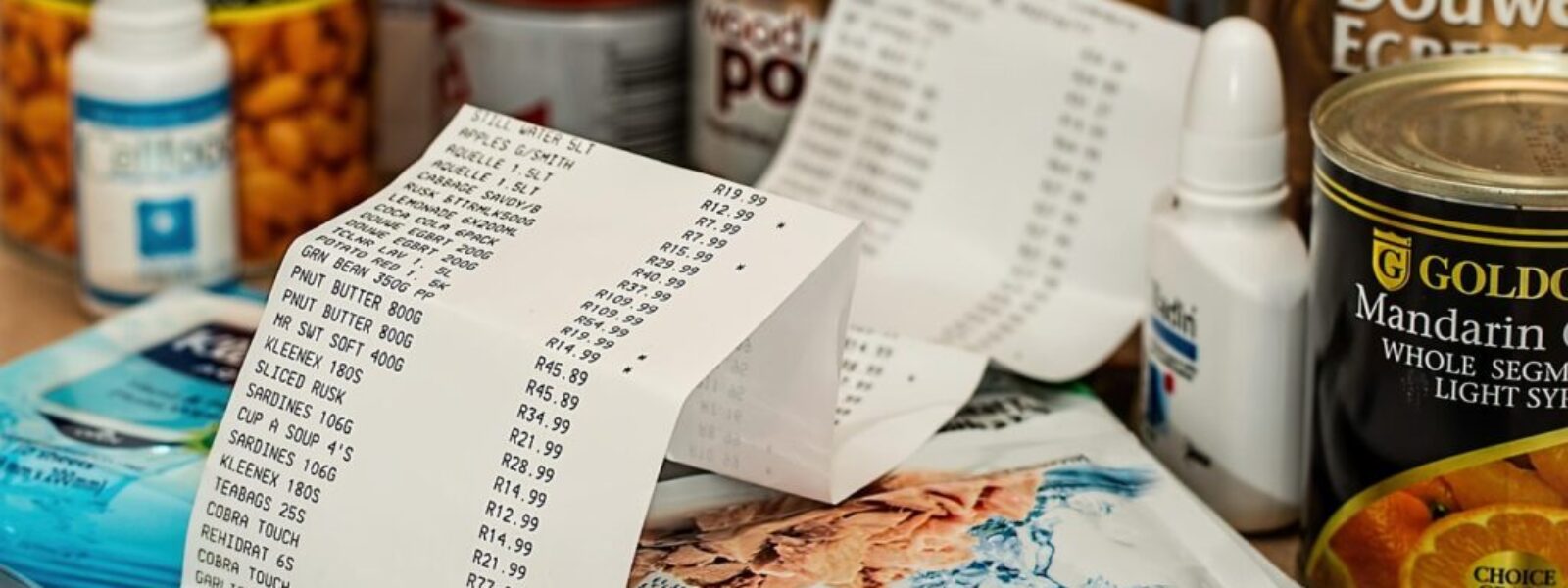
But try telling that to Sarah Mitchell, a mother of three from Hamilton who spent $340 on groceries last week for items that cost her $280 in early 2023. “The economists can celebrate all they want, but I’m still paying through the nose for basic food,” she says.

The disconnect between headline inflation and lived experience has never been starker. While fuel prices have plummeted 12% year-on-year and electronics dropped 8%, food inflation remains locked at uncomfortable levels.
The supermarket duopoly strikes again
Fresh produce led the charge with a brutal 6.2% increase in the March quarter alone. Meat prices rose 4.1% while dairy products climbed 3.8%. According to Statistics New Zealand, the food group contributed 0.6 percentage points to the quarterly inflation rate, more than any other category.
Consumer NZ chief executive Jon Duffy isn’t buying the celebration. “We’ve seen this movie before. Overall inflation moderates while the essentials that families can’t avoid – food, housing, utilities – remain painfully expensive.”
The timing couldn’t be worse for household budgets already stretched thin. Fixed-term mortgage rates may be falling from their peaks, but families locked into high rates over the past two years are still paying the price. Many won’t see relief until 2027 when their terms reset.
Westpac senior economist Michael Gordon expects food inflation to persist well into 2026. “The structural issues in our food supply chain haven’t been resolved. We’re still dealing with the legacy of supply disruptions, labour shortages, and yes, market concentration.”
RBNZ eyes rate cuts while families bleed
The Reserve Bank is already signalling potential Official Cash Rate cuts by July, with markets pricing in a 75% chance of a 25 basis point reduction. That’s cold comfort for families facing another winter of choosing between heating and eating.
ANZ economist Sharon Zollner warns against premature celebration. “Core inflation measures show underlying price pressures remain elevated. The RBNZ knows one quarter doesn’t make a trend.”
The political implications are obvious. With an election potentially on the horizon, the government will trumpet the headline figure while opposition parties hammer home the grocery bills that won’t budge. It’s a tale of two inflations – the statistical victory and the checkout reality.
For now, families like the Mitchells will keep stretching every dollar while the Reserve Bank pats itself on the back. The question isn’t whether inflation is under control – it’s whether the people paying for groceries believe it.