
Inflation Outlook 2026: What Rising Costs Mean for Kiwi Businesses This Year
New Zealand businesses are bracing for another year of elevated inflation as cost pressures mount across supply chains, wages, and energy. With inflation projected to climb back above 4% by late 2026, companies face tough decisions on pricing, staffing, and investment strategies.
What’s driving inflation higher in 2026?
Key inflation pressures facing NZ businesses
The perfect storm is brewing again. Global commodity prices are surging as geopolitical tensions disrupt supply chains, while domestic wage growth accelerates past 6% annually as workers demand compensation for rising living costs. Energy prices have spiked 15% since January following infrastructure constraints and increased carbon pricing. Meanwhile, the housing market’s unexpected resurgence is pushing rental costs up double digits in Auckland and Wellington.
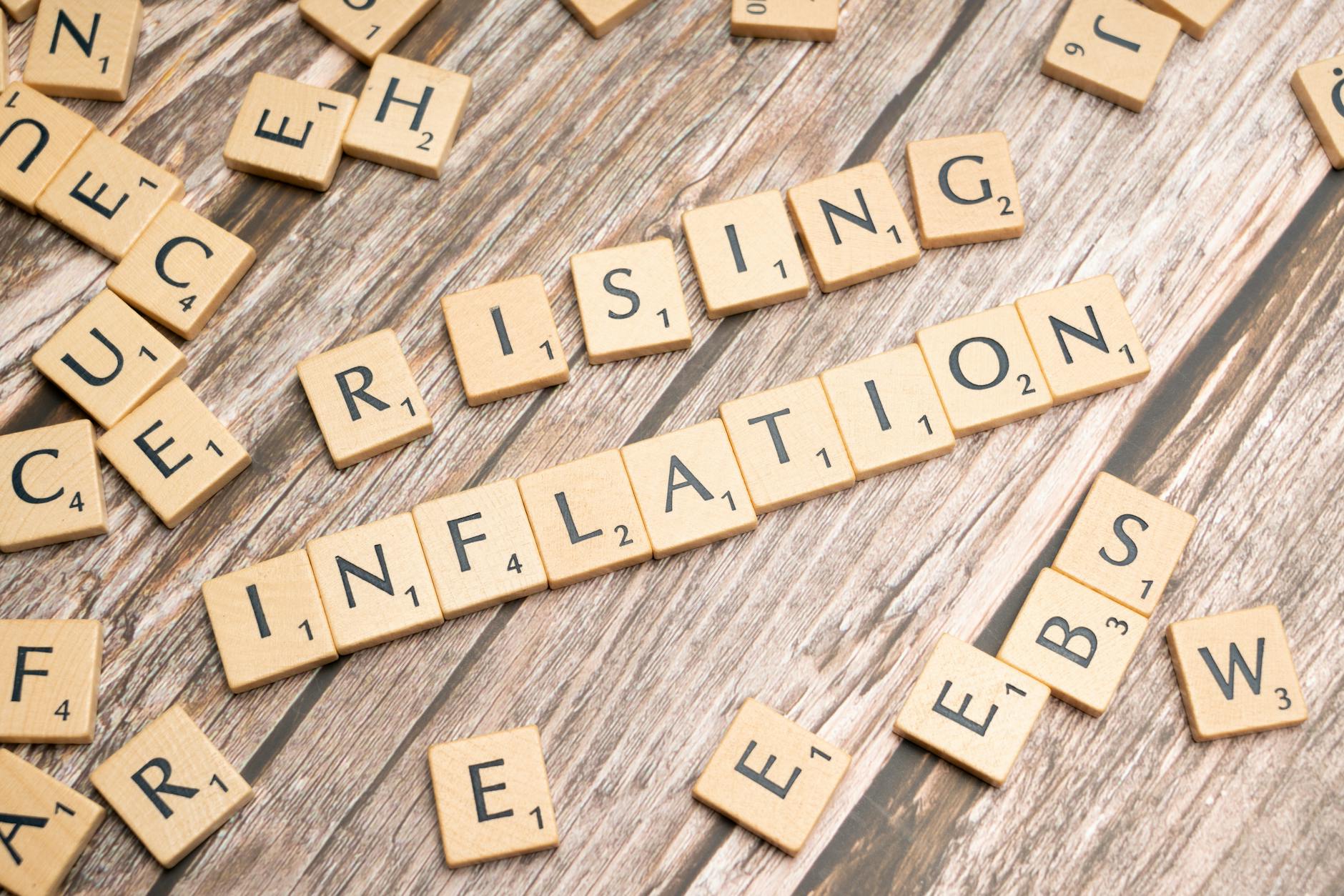
But here’s the kicker — unlike previous inflation cycles, this one’s being turbocharged by climate-related disruptions. Extreme weather events have hammered agricultural production, pushing food prices up 8% year-on-year. The Reserve Bank’s cautious approach to interest rate cuts has also kept monetary conditions tighter than many expected, creating a policy environment that’s struggling to contain price pressures without crushing economic activity.
Why are businesses feeling the squeeze now more than ever?
It’s simple math that doesn’t add up. Input costs are rising faster than most businesses can realistically pass through to customers without losing market share. According to Deloitte’s latest business sentiment survey, the finding showed 73% of NZ companies report margin compression as their biggest operational challenge, with small-to-medium enterprises particularly vulnerable.
The labour shortage that dominated headlines in recent years has evolved into a wage-price spiral that’s proving harder to manage. Skilled workers are demanding 8-12% pay rises, and many are getting them as employers compete desperately for talent. For businesses already dealing with higher rent, insurance, and compliance costs, these wage pressures are the final straw breaking operational budgets.
Which sectors are getting hit hardest?
Hospitality and retail are in the firing line, caught between soaring costs and price-sensitive consumers who are already cutting discretionary spending. Restaurants are seeing food costs up 12% while struggling to lift menu prices without losing customers. Retail margins are being squeezed by both higher import costs and the need to keep prices competitive against online alternatives.
Manufacturing isn’t faring much better. Energy-intensive industries like steel and aluminium processing are facing existential challenges as electricity costs spiral upward. Construction companies are dealing with material cost increases of 15-20% while tender prices remain locked in from months ago, creating a recipe for project losses and business failures.
What does this mean for employment and wages?
Here’s where it gets messy for workers and employers alike. While wage growth looks impressive on paper, real purchasing power is actually declining as inflation outpaces pay rises for most Kiwis. Businesses are caught in an impossible bind — they need to pay more to retain staff, but higher wage costs are accelerating the very inflation that’s eroding worker living standards.
Expect to see more companies turning to automation and offshore services where possible. The economics of hiring local workers are becoming unsustainable for many businesses, particularly in lower-skilled roles. This shift could accelerate unemployment in certain sectors while creating acute shortages in others, further fueling wage inflation in specialised fields.
How should businesses prepare for the next 12 months?
Smart operators are already locking in long-term supplier contracts where possible and implementing dynamic pricing models that can adjust quickly to cost changes. The days of annual price reviews are over — successful businesses are moving to quarterly or even monthly pricing adjustments to protect margins.
Cash flow management becomes critical. With borrowing costs still elevated and customer payment terms stretching out, businesses need stronger financial buffers than they’ve carried in years. Those without adequate working capital reserves are likely to become casualties of the inflation cycle, regardless of underlying business strength.
What’s the government likely to do about it?
Don’t hold your breath for meaningful intervention. The current government’s toolkit is limited, with fiscal policy constrained by debt levels and monetary policy already stretched. Talk of targeted subsidies for essential goods is just political theatre — the reality is that broad-based inflation requires broad-based solutions that no politician wants to implement in an election environment.
More likely, we’ll see cosmetic measures like temporary fuel tax reductions or electricity rebates that provide short-term relief but do nothing to address underlying structural issues. The Reserve Bank will eventually be forced to choose between fighting inflation and supporting economic growth — and history suggests they’ll prioritise price stability even at the cost of recession.
What happens if businesses can’t adapt fast enough?
The brutal truth is that many won’t survive this cycle intact. Business failure rates typically spike 18 months after sustained inflation periods, as cash flow problems compound and customer demand weakens. We’re likely looking at a wave of insolvencies hitting small businesses by mid-2027, particularly in sectors with thin margins and high fixed costs.
The survivors will be those who act decisively now — cutting non-essential costs, renegotiating supplier terms, and building pricing flexibility into customer contracts. Waiting for inflation to moderate naturally is a luxury most businesses simply can’t afford in the current environment.