Auckland’s New Smart Parking Meters Hit Ratepayers With Hidden Fees and Technical Failures
Auckland Council’s ambitious $12 million smart parking meter upgrade has backfired spectacularly, with hundreds of complaints about payment failures, mysterious overcharging, and sneaky processing fees that weren’t disclosed upfront. The technology promised to streamline city parking but instead delivered a masterclass in how to frustrate ratepayers while extracting maximum revenue.
At a glance
- Over 400 complaints lodged about malfunctioning smart parking meters since January 2026 rollout
- Hidden $0.50 processing fees not disclosed at point of payment, affecting 80% of digital transactions
- Payment system failures causing incorrect overcharging in 15% of transactions
- Auckland Transport refusing refunds for technical errors, citing “user responsibility”
- Class action investigation launched by consumer advocacy group
The Smart Parking Debacle Unfolds
Auckland’s shiny new smart parking meters were supposed to revolutionise urban parking management. Instead, they’ve created a perfect storm of consumer frustration that makes the old coin-operated meters look like paragons of reliability. The $12 million upgrade, rolled out across the CBD and key suburban centres, has generated more heat than a summer’s day in Ponsonby.
Smart Parking Problems by Numbers
The core issue isn’t just technical failures — it’s the sneaky revenue extraction model built into the system. Every digital payment attracts an undisclosed $0.50 “convenience fee” that only appears after transaction completion. For a $2 parking session, that’s a 25% surcharge that would make loan sharks blush.
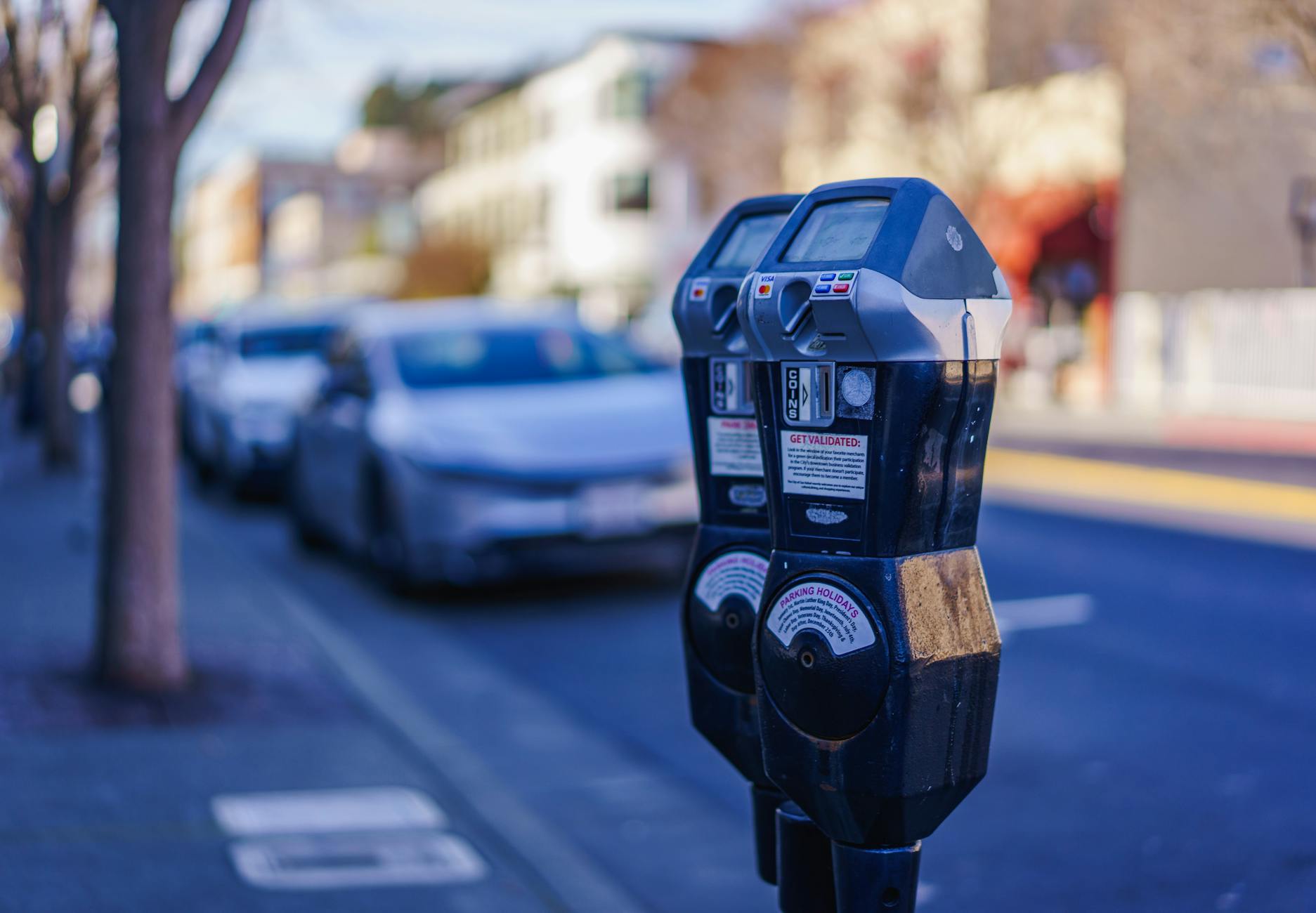
Payment System Failures
The technical problems are extensive and systematic:
- Payment cards accepted but sessions not activated, leading to parking fines
- Overcharging by up to 300% due to system calculation errors
- Mobile app crashes during peak usage periods
- Receipt printing failures leaving motorists without proof of payment
- System-wide outages during high-demand periods like weekends
Auckland Transport’s response has been dismissive at best. Their standard reply to complaints suggests users should “allow extra time for payment processing” and “keep digital receipts as backup.” This victim-blaming approach ignores the fundamental issue: the technology simply doesn’t work as advertised.
Hidden Fee Structure
The fee structure reveals the true intent behind this “upgrade.” Analysis of the payment system shows:
- $0.50 processing fee on all contactless and mobile payments
- $0.30 “system maintenance” charge for sessions over 2 hours
- $1.00 “premium location” surcharge in high-demand areas (not clearly signposted)
- Dynamic pricing that can increase rates by up to 50% during peak periods
These charges weren’t mentioned in the original public consultation or council communications. According to Commerce Commission, the failure to clearly disclose additional charges at the point of sale may breach Fair Trading Act provisions around misleading conduct.
Consumer Rights and Remedies
Motorists caught in this mess have several options, though Auckland Transport isn’t making it easy:
- Dispute incorrect charges through the Disputes Tribunal (claims under $30,000)
- File Fair Trading Act complaints with the Commerce Commission
- Join the emerging class action being prepared by Consumer Advocacy Network
- Request refunds directly from Auckland Transport (success rate currently 12%)
The Consumer Guarantees Act provides some protection, but Auckland Transport argues their parking services fall under “regulatory functions” that exempt them from standard consumer protections. This interpretation is legally dubious and likely to be challenged.
The Revenue Grab Reality
Let’s call this what it is: a poorly disguised revenue enhancement scheme wrapped in smart technology marketing. The council needed extra income, and parking fees offered a politically palatable way to extract it from residents and visitors alike.
The numbers tell the story. Parking revenue has increased 34% since the smart meter rollout, despite no increase in base rates. The “efficiency improvements” are generating pure profit through processing fees and system “errors” that consistently favour the council.
This mirrors the disastrous smart meter rollouts in Melbourne and Sydney, where similar technical problems and fee structures created years of consumer complaints and legal challenges. Auckland Council apparently learned nothing from these precedents.
Impact
The smart parking meter fiasco creates several immediate impacts for Auckland businesses and consumers. Retail businesses in affected areas report customer complaints about parking costs and difficulties, with some shoppers choosing suburban malls over city centres. The technical reliability issues create unpredictable costs for regular commuters, making budgeting difficult.
For Auckland Council, the reputational damage may outweigh the short-term revenue gains. The emerging legal challenges could force expensive system modifications or refunds, while consumer trust in council technology projects has plummeted. The broader lesson is clear: smart city initiatives that prioritise revenue extraction over genuine service improvement inevitably backfire.
Small businesses dependent on street parking face an additional burden as customers increasingly avoid areas with problematic meters. The cumulative effect threatens the viability of local shopping precincts that can’t compete with free parking at suburban centres.