7 Things You Need to Know About New Zealand’s Social Media Marketing Crackdown
The Commerce Commission has launched its biggest crackdown yet on misleading social media marketing, targeting everything from undisclosed sponsored posts to fake reviews. Local influencers and businesses are scrambling to avoid hefty fines as enforcement ramps up across platforms.
The gloves are finally off when it comes to dodgy social media marketing in New Zealand. After years of letting influencers and brands play fast and loose with disclosure rules, regulators are wielding the big stick — and the fines are eye-watering.
Enforcement Actions at a Glance
1. Undisclosed Sponsorships Are Getting Expensive
The Commerce Commission isn’t messing around anymore when it comes to hidden advertising. Recent enforcement actions have seen fines ranging from $15,000 to $80,000 for influencers who failed to clearly mark sponsored content. The old days of burying #ad in a wall of hashtags or using vague phrases like “gifted” are officially over.
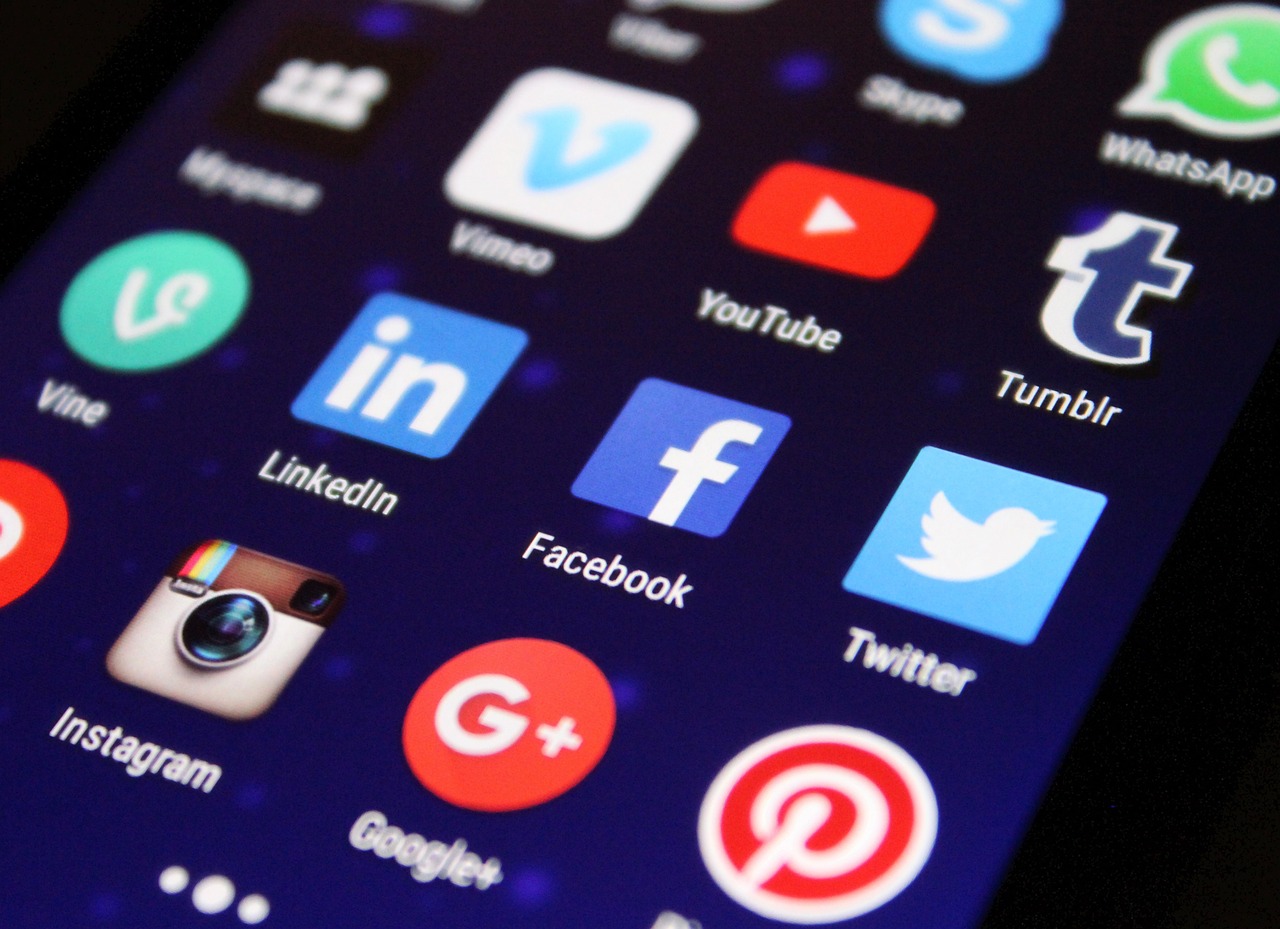
What’s particularly galling is how many big-name influencers claimed ignorance when caught. Sorry, but when you’re making six figures from brand partnerships, pleading amateur status doesn’t wash. The Commission has made it crystal clear: if you’re getting paid, gifted, or given any form of consideration, it needs to be obvious from the first glance.
Small businesses thinking they can fly under the radar should think again. The regulatory net is catching micro-influencers and local brands just as readily as the Instagram elite.
2. Fake Reviews Are Finally Being Treated as Fraud
The systematic manipulation of online reviews has become so endemic that according to Commerce Commission guidance, they’re now treating coordinated fake review schemes as serious breaches of the Fair Trading Act. This includes businesses paying for positive reviews, threatening customers who leave negative feedback, and creating shell accounts to boost ratings.
What’s infuriating is how long this has been allowed to fester. We’ve all seen those suspiciously glowing reviews that read like marketing copy, or the sudden influx of five-star ratings following a product launch. The fact that it’s taken this long for authorities to act shows just how behind the curve New Zealand has been on digital consumer protection.
The penalties aren’t just financial either. Businesses caught running fake review operations are facing public naming and shaming that can destroy years of reputation building — ironic really, considering that’s exactly what they were trying to manipulate in the first place.
3. Platform Algorithms Reward Bad Behaviour
Here’s the uncomfortable truth regulators don’t want to acknowledge: social media platforms actively incentivise the very behaviour they’re now cracking down on. Instagram’s algorithm favours engagement over honesty, TikTok rewards viral content regardless of accuracy, and Facebook’s advertising system makes it ridiculously easy to target vulnerable demographics with misleading claims.
The real villains in this story aren’t necessarily the influencers and small businesses scrambling for visibility — it’s the tech giants who’ve built systems that make deceptive marketing more profitable than honest advertising. Yet somehow it’s local Kiwi businesses copping the fines while Meta and Google continue to rake in billions from a fundamentally broken system.
Until platform incentives change, we’ll keep playing this expensive game of regulatory whack-a-mole while the root cause goes unaddressed.
4. MLM Schemes Are Hiding in Plain Sight
Multi-level marketing schemes have found a perfect breeding ground in New Zealand’s social media landscape, particularly targeting stay-at-home parents and young adults struggling with cost-of-living pressures. These operations now disguise themselves as lifestyle brands, wellness communities, and entrepreneurship opportunities, making them harder to spot and regulate.
The Commission’s recent focus on pyramid selling has exposed just how sophisticated these schemes have become. They’re using influencer tactics, community building, and aspirational content to recruit new victims while carefully avoiding the obvious red flags that would trigger immediate regulatory action.
What’s particularly cynical is how these schemes exploit people’s financial desperation during tough economic times. They promise financial freedom and flexible work arrangements to people who can least afford to lose money on a scam — and social media gives them the perfect platform to spread these lies at scale.
5. Small Business Compliance Costs Are Brutal
While enforcement is necessary, the compliance burden is hitting legitimate small businesses hardest. Getting legal advice on social media marketing strategies now costs more than many small operators spend on their entire digital marketing budget. The regulatory uncertainty means businesses are either avoiding social media altogether or paying premium rates for compliant content creation.
This creates a perverse situation where only the biggest players can afford to operate confidently in the social media space. Small local businesses — the ones who arguably benefit most from direct social media engagement with their communities — are being priced out of effective digital marketing.
The irony is that increased compliance costs may actually benefit the dodgy operators who were already planning to bend the rules. Honest businesses are spending money on lawyers while scammers are spending it on VPNs and fake accounts.
6. Consumer Education Remains Woefully Inadequate
Despite all the regulatory action, consumer awareness of social media marketing tactics remains embarrassingly low. Recent surveys show most New Zealanders still can’t reliably identify sponsored content, understand how algorithmic feeds work, or recognise common manipulation techniques used by unethical marketers.
The government’s approach of enforcement-first, education-later is backwards. Teaching people to spot dodgy marketing would be far more effective than trying to catch every bad actor after the fact. But consumer education doesn’t generate headline-grabbing fine announcements or make politicians look tough on crime.
We’re essentially expecting consumers to navigate an increasingly sophisticated landscape of digital manipulation without giving them the tools to protect themselves. That’s not consumer protection — it’s regulatory theatre.
7. International Coordination Is Non-Existent
New Zealand’s social media marketing crackdown operates in a vacuum while the worst offenders simply shift operations offshore or use international influencers to target Kiwi audiences. Cross-border enforcement remains virtually non-existent, meaning local businesses face strict compliance requirements while international competitors play by different rules.
The lack of coordination with Australian and other international regulators creates obvious loopholes that sophisticated operators are already exploiting. Why face New Zealand’s tough new penalties when you can run the same campaigns from overseas with impunity?
This regulatory arbitrage undermines the entire enforcement effort and puts compliant local businesses at a competitive disadvantage against international players who ignore our rules entirely.
The current crackdown, while long overdue, feels more like a reactive scramble than a coherent strategy. Until regulators address platform incentives, improve international cooperation, and invest seriously in consumer education, we’ll keep seeing expensive enforcement actions that treat symptoms while the underlying disease spreads unchecked. Meanwhile, honest businesses foot the compliance bill while scammers adapt and evolve their tactics faster than regulators can keep up.