Auckland Mum’s TikTok Exposes Countdown’s Pricing Scandal – Viral Video Sparks Consumer Fury
Auckland mother Sarah Mitchell’s TikTok video exposing Countdown’s misleading shelf prices has exploded across social media, racking up 2.8 million views in 48 hours. The viral footage shows systematic overcharging at checkout compared to advertised shelf prices, sparking nationwide consumer fury and calls for Commerce Commission investigation.
What started as a routine grocery shop in Albany has become New Zealand’s latest viral sensation, and it’s not the feel-good kind. Sarah Mitchell, a 34-year-old working mum, filmed herself walking through Countdown comparing shelf prices to her receipt after noticing discrepancies at checkout. The results are damning.
Pricing Scandal by Numbers
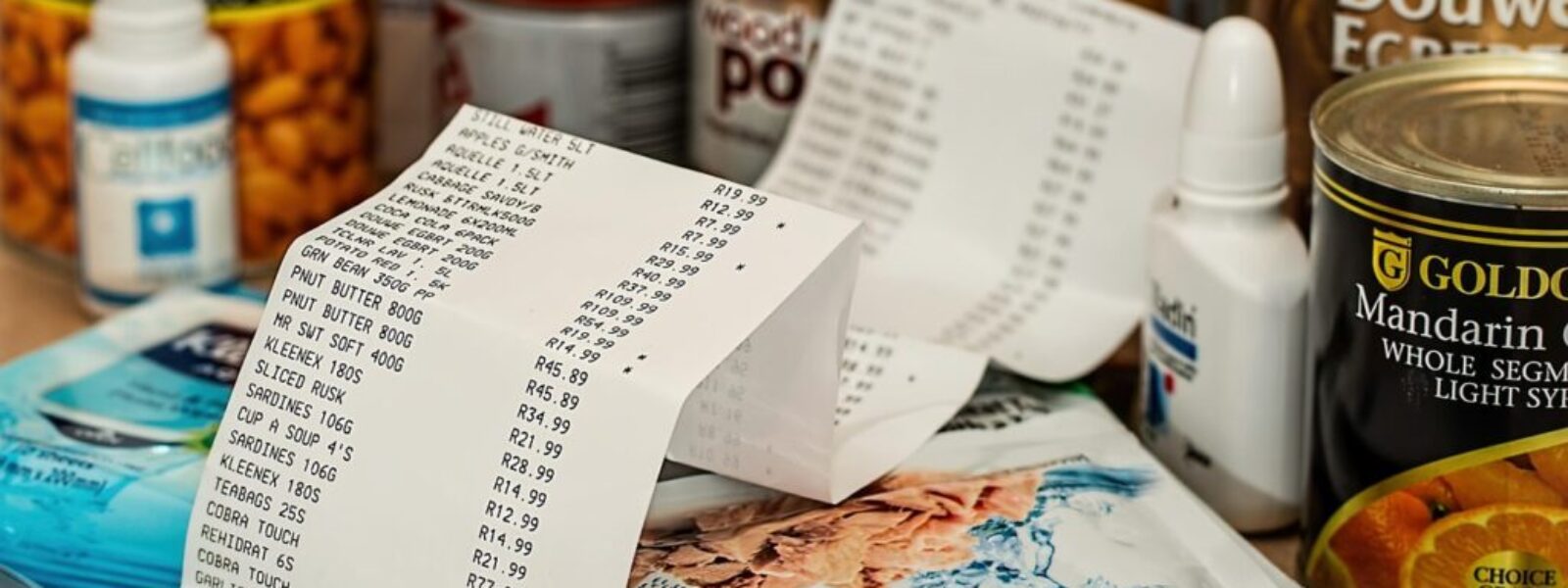
Her now-infamous TikTok shows item after item priced differently on shelves versus what she was actually charged. Bananas marked at $2.99 per kilo rang up at $3.49. Bread advertised at $2.50 charged $2.89. Even basic milk showed a 40-cent markup between shelf and till. Over a $180 grocery shop, Mitchell was overcharged by $23.70 – more than 13 percent above advertised prices.

The video has struck a nerve with Kiwi families already struggling with cost-of-living pressures. Comments are flooding in from customers sharing similar experiences across Countdown stores nationwide. “Same thing happened to me in Hamilton,” writes one user. “Christchurch store did this to me last week,” adds another. The pattern appears widespread.
Mitchell’s follow-up videos show return visits where the same pricing discrepancies persist, despite her initial complaints to store management. Staff apparently blamed “system updates” and “promotional pricing errors,” but made no meaningful attempts to fix the systematic overcharging. The dismissive response has only fueled public anger.
This isn’t isolated incompetence – it’s starting to look like systematic exploitation of busy customers who don’t scrutinize every receipt. According to Commerce Commission, the finding showed misleading pricing practices have increased significantly across retail sectors, with supermarkets featuring prominently in consumer complaints.
The timing couldn’t be worse for Woolworths New Zealand, Countdown’s parent company. Already facing scrutiny over market dominance and pricing practices, this viral exposure of apparent systematic overcharging plays directly into existing consumer grievances about supermarket profiteering.
What’s particularly galling is the response from Countdown corporate. Rather than immediate acknowledgment and remediation, the company issued generic statements about “investigating the matter” and “taking pricing accuracy seriously.” Meanwhile, customers continue reporting identical issues across multiple stores, suggesting this isn’t a localized computer glitch but a broader operational failing.
The viral nature of Mitchell’s expose has transformed a personal shopping frustration into a nationwide conversation about supermarket accountability. Her videos demonstrate something many consumers suspected but couldn’t prove – that major retailers may be systematically overcharging customers who don’t have time to verify every price.
Consumer rights advocates are now calling for mandatory real-time price accuracy audits and penalties severe enough to deter such practices. The current system clearly isn’t working when a single mum with a smartphone can expose what appears to be widespread systematic overcharging that regulators haven’t caught.
Mitchell’s viral success also highlights how social media has democratized consumer advocacy. Traditional complaint channels – speaking to managers, calling customer service, even contacting media – often result in stonewalling or token responses. But viral social media exposure creates immediate reputational damage that forces corporate accountability.
The broader implications extend beyond Countdown. If New Zealand’s second-largest supermarket chain is systematically overcharging customers, what’s happening at other major retailers? Mitchell’s success may inspire copycat investigations across the sector, potentially exposing industry-wide pricing deception.
For Mitchell herself, the viral fame has been overwhelming but purposeful. She’s using her platform to educate other consumers about checking receipts and documenting discrepancies. Her message is clear: retailers count on customer complacency, and vigilant documentation is the best defense against systematic overcharging.
The Commerce Commission has indicated they’re “monitoring the situation,” but past enforcement suggests meaningful penalties are unlikely unless public pressure becomes unbearable. Mitchell’s viral expose may be exactly the catalyst needed to force regulatory action against pricing practices that have quietly cost Kiwi families millions.
This story perfectly encapsulates modern consumer advocacy – individual frustration amplified by social media creating pressure that traditional complaint mechanisms couldn’t achieve. Whether it results in systematic change or just temporary corporate damage control remains to be seen, but Mitchell has certainly given every grocery shopper in New Zealand reason to start filming their receipts.