7 Things You Need to Know About New Zealand’s Hidden Inflation Crisis in 2026
New Zealand’s official inflation figures are painting a rosier picture than what’s actually hitting your wallet, with core living costs surging well beyond the headline Consumer Price Index numbers that policymakers keep celebrating.
While Statistics New Zealand trumpets a “manageable” annual inflation rate of 2.8%, everyday Kiwis are watching their purchasing power evaporate faster than morning mist off the harbour. The disconnect between official statistics and lived reality has never been more stark, and it’s time someone called it out.
Key Cost Increases at a Glance
1. Grocery Bills Are the Real Inflation Villain
Food prices have climbed 6.2% in the past year alone, nearly double the headline inflation rate. Your weekly shop that cost $180 in 2024 now demands $210 for the same items. The government’s inflation basket methodology severely underweights essential groceries while overweighting discretionary spending most families have already cut.
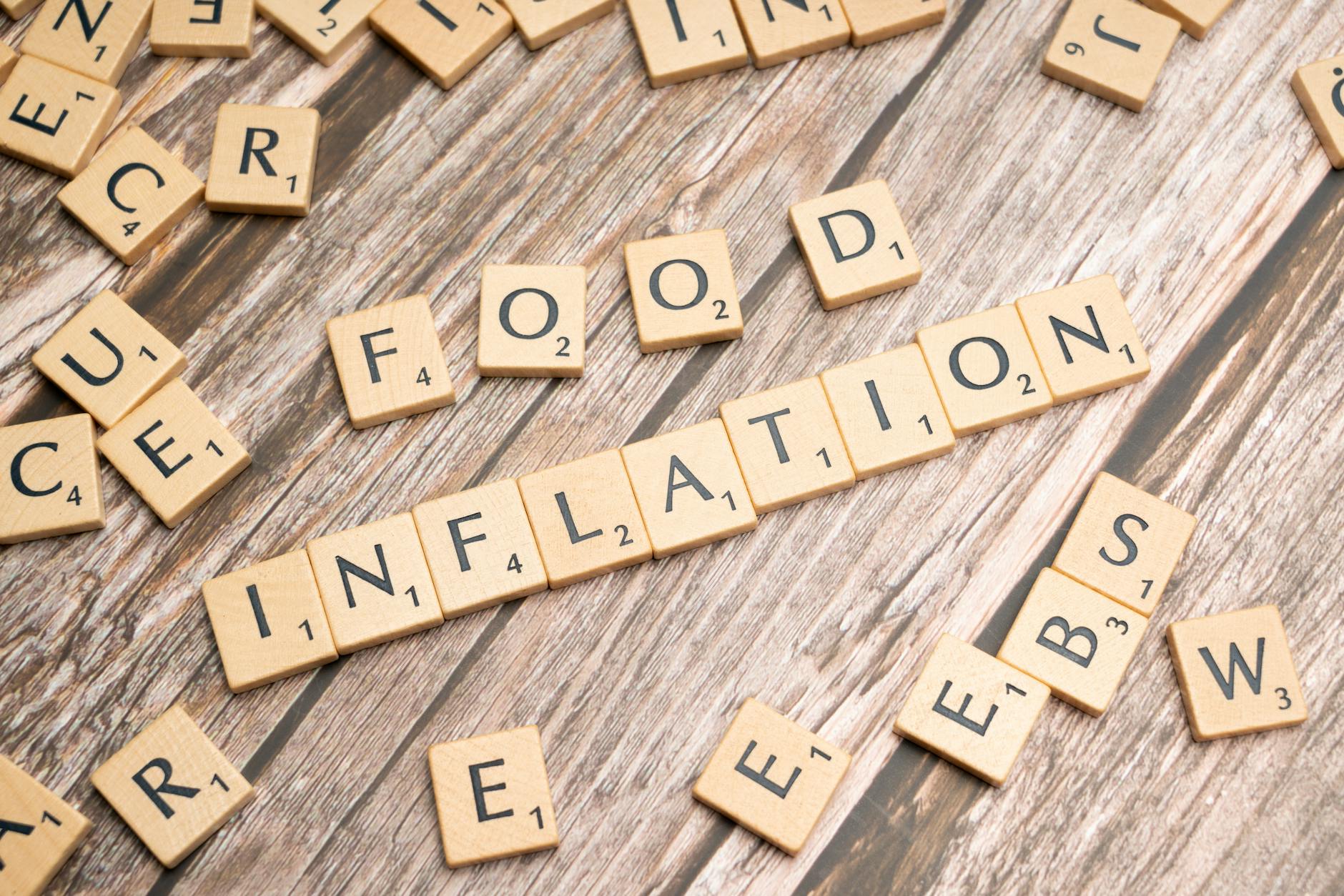
Meat, dairy, and fresh produce — the staples no household can avoid — are driving this surge. Meanwhile, Statistics NZ continues to factor in luxury items and services that struggling families abandoned months ago. It’s statistical sleight of hand that makes the crisis look smaller than it is.
2. Housing Costs Are Being Deliberately Understated
The official inflation measure treats housing as just another expense category, but for most Kiwis, it’s 40-50% of their entire budget. Rental increases of 8-12% annually in major centres aren’t adequately reflected in the Consumer Price Index weightings, which still use outdated housing cost assumptions from pre-pandemic data.
Mortgage holders are getting hammered twice: higher interest rates and inflated property values. Yet the Reserve Bank continues to use housing metrics that don’t capture the full financial strain on households. According to PwC’s latest household financial stress analysis, the finding showed housing-related costs now consume 52% of median household income in Auckland and Wellington, up from 38% in 2022.
3. Energy Price Shocks Are Hidden in Plain Sight
Electricity and fuel costs have surged 15% and 11% respectively over the past 18 months, but these increases get smoothed out in quarterly inflation reporting. Your power bill doesn’t care about statistical averaging — it hits your account in real time, every month.
The Commerce Commission’s gentle hand-wringing about energy company profit margins hasn’t translated into relief for consumers. Meanwhile, the government’s climate policies continue to add carbon costs to everything from petrol to home heating, creating inflationary pressure that officials prefer not to discuss during election cycles.
4. Insurance Premiums Are Quietly Crushing Budgets
Home and contents insurance has increased 18-25% annually since 2024, yet barely registers in inflation calculations due to its relatively small weighting in the CPI basket. For homeowners, this represents hundreds of dollars in unavoidable extra costs that compound monthly.
Natural disaster risks and reinsurance costs are being passed directly to consumers, but insurance isn’t treated as an essential service in inflation modeling. Try going without home insurance and see how your bank feels about your mortgage security.
5. Service Sector Inflation Is Accelerating Under the Radar
Haircuts, dental visits, car services, and basic trades work have all increased 8-12% year-on-year. These aren’t luxury services — they’re necessities that households can’t substitute or delay indefinitely. The service sector’s labour shortage is driving wage inflation that gets passed straight to consumers.
Professional services, from accounting to legal advice, have become unaffordable for many middle-income families. Yet these increases rarely make headlines because they affect smaller transaction volumes than retail goods.
6. Import Price Pressures Are Permanent, Not Temporary
The Reserve Bank keeps suggesting that import-driven inflation will moderate as global supply chains normalize. But New Zealand’s geographic isolation and small market size mean we’re permanently price-takers for manufactured goods, technology, and fuel. The recent 8% appreciation in shipping costs isn’t going anywhere.
Currency fluctuations that temporarily helped in 2024 are reversing, meaning imported inflation is accelerating again just as domestic cost pressures intensify. This double-hit scenario wasn’t in anyone’s economic forecasting models.
7. Real Wage Decline Is Steeper Than Admitted
Median wage growth of 4.1% sounds reasonable until you realize it’s chasing actual living cost increases of 7-9% for essential expenses. Public sector workers, in particular, are seeing their purchasing power erode rapidly as their wage increases lag well behind real inflation.
The government’s focus on headline inflation rates conveniently ignores that wage earners need to beat the rate of increase in things they actually buy, not the statistical average that includes items they’ve already stopped purchasing.
The inflation crisis isn’t temporary, and it’s not manageable — it’s a systematic erosion of living standards that official statistics are designed to obscure rather than illuminate. Until policymakers acknowledge the real cost pressures facing households, expect the gap between official inflation and actual financial stress to keep widening.